
Arq Gulab, Sandal and Neem: A Herbal Skin Routine That Survives a Multan Summer
Rose water, sandalwood oil, neem and multani mitti have kept Pakistani skin comfortable for generations. Here is how to build a realistic morning and evening routine around them, adjusted for oily or dry skin in heat and humidity.
By late May in Multan, the afternoon air sits on your face like a warm cloth. You come in from the bazaar, wash with cold tap water that is not really cold, and the skin still feels tight across the cheekbones and slick along the nose. Somewhere in almost every household there is a bottle of arq gulab in the fridge door, a tin of multani mitti in the kitchen cupboard, and a neem tree within a hundred metres. Those three things, used with a little judgement, are a better daily routine than most people give them credit for.
What follows is not a miracle protocol. It is the way herbal skin care is traditionally practised in this region, arranged into a routine you can actually keep, with honest limits stated where they belong.
The four workhorses, and what each one actually does
Traditional skin care here rests on a small, repeated set of materials. Their reputations are not identical, and using them interchangeably is where most people go wrong.
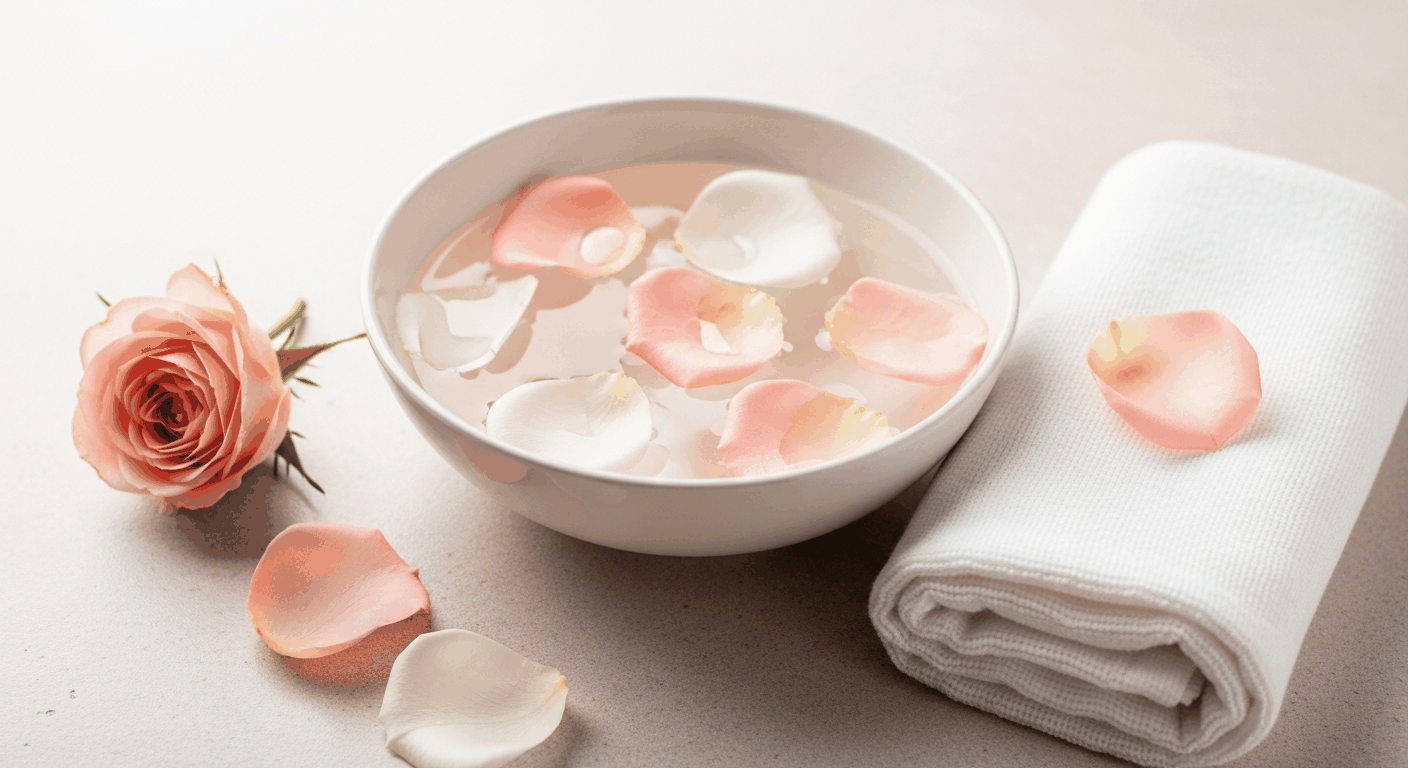
Arq gulab (rose water) is a distillate — steam passed through rose petals and condensed. In Unani practice it is classed as cooling and mildly astringent, which is why it is splashed on the face in the heat and why it appears in kitchen and dawakhana alike. Its real day-to-day value is as a gentle liquid you can put on skin many times without stripping it. It settles the flushed, over-hot feeling after sun exposure and leaves skin damp rather than squeaky.
Roghan sandal (sandalwood oil) and sandal powder are the classic cooling agents of the subcontinent. Sandal paste on the forehead in June is not decoration; it is temperature management with a long history. Sandalwood is traditionally used for hot, irritated, blotchy skin and for the general feeling of garmi in the face. It is potent and expensive, which is a hint about dosage: a smear, not a handful.
Neem is the bitter counterweight. Leaves, oil and powder are all used, and traditionally neem is reached for when skin is oily, congested or prone to eruptions, and during monsoon when everything stays damp too long. Neem oil in particular is strong-smelling and strong-acting — it is almost never used neat on the face in traditional practice, but diluted into a carrier oil or blended into a pack.
Multani mitti (fuller’s earth) is a clay, and clay does one thing supremely well: it absorbs. It lifts surface oil and grime and leaves skin matte. That is its virtue and its danger. Used twice a week on an oily T-zone it is excellent. Used daily on already-dry cheeks it will make things worse, and people then blame the clay rather than the frequency.
| Ingredient | Traditional use | Typical form |
|---|---|---|
| Arq gulab (rose) | Cooling, refreshing, calming hot or flushed skin | Distillate, splashed or applied on cotton |
| Roghan sandal (sandalwood) | Cooling; irritated, uneven or heat-troubled skin | Oil, or powder made into paste |
| Neem | Oily, congested skin; humid-season skin trouble | Oil (diluted), leaf powder in packs |
| Multani mitti | Absorbing excess oil; weekly deep cleanse | Clay powder mixed to a paste |
| Roghan badam (almond) | Nourishing dry, tight or flaking skin | Oil, a few drops massaged in |
A morning routine you will not abandon by Thursday
The most common mistake is building a ten-step ritual in a burst of enthusiasm and quietly dropping it within a week. Three steps that happen every day beat eight steps that happen twice.
For oily and combination skin
Wash with a mild cleanser and lukewarm water — not hot, which provokes more oil, and not the harshest soap in the house. Pat dry. While the skin is still slightly damp, press arq gulab over the face with clean fingers or a pad of cotton. Let it sink in for a moment rather than wiping it off. Finish with the lightest moisturiser you tolerate and, if you are stepping outdoors, sunscreen. Sun protection is the single least glamorous and most effective thing on this entire page.
For dry and sensitive skin
Same beginning, but change the ending. After the rose water, while skin is still damp, work in two or three drops of roghan badam or a light herbal oil, warmed between the palms. Damp skin plus oil traps moisture; dry skin plus oil just sits on the surface. In winter, when the loo has given way to cold dry wind, this step matters more than any mask.
- Keep a bottle of arq gulab in the fridge from April to September — a cold splash after coming indoors is genuinely restorative.
- Never scrub a face that is already irritated. Heat plus friction is how mild redness becomes a fortnight of trouble.
- Wash pillowcases and dupattas often in hot weather; they carry more oil and dust than people expect.
- Drink through the day rather than a litre at iftar. Skin reflects steady hydration, not bursts of it.
The evening routine, and where the strong ingredients belong
Evening is when the day’s dust, sunscreen and sweat come off, and when the more active herbal materials earn their place. Cleanse first — properly, twice if you have worn sunscreen or makeup. Then apply arq gulab as before.
Two or three nights a week, add one treatment step and no more. If your skin runs oily and congested, that step is a multani mitti pack on the T-zone only, mixed with rose water rather than plain water, left on until it is almost dry and then rinsed. Letting clay dry to cracking is what causes the tight, stripped feeling afterwards. If your skin runs hot, blotchy or uneven, the step is instead a thin application of sandalwood — a few drops of roghan sandal or a sandal-and-rose paste, left on twenty minutes.
Neem sits in the same rotation for oily and monsoon-troubled skin: neem leaf powder mixed into the multani pack, or a very dilute neem oil blend used on the back and shoulders where skin is thicker and more forgiving than the face.
Ilaj se pehle parhez — prevention before treatment. Shade, sleep, clean hands off the face, and a routine you keep will always outperform a jar you use twice.
Patch testing: the step nobody wants and everybody needs
Natural does not mean inert. Sandalwood, neem and essential-oil-bearing preparations are concentrated plant chemistry, and a small number of people react to each of them. The correct response is not fear, it is a patch test.
Apply a small amount of the new preparation to the inner forearm or behind the ear. Leave it for twenty-four hours without washing that spot. If there is no itching, stinging, redness or bumps, try it on a small area of the jaw for another day or two before committing to the whole face. Introduce one new thing at a time — if you start three products on Monday and your skin objects on Wednesday, you have learned nothing about which one to blame.
Dilute strong oils. Neem and other potent oils are traditionally carried in something gentler: a few drops into a tablespoon of coconut or almond oil. Keep everything away from the eye area, and do not apply herbal oils to broken or weeping skin.
What herbal care can and cannot do for acne and pigmentation
This is where honesty serves you better than enthusiasm. A steady herbal routine can reasonably help with surface oiliness, the flushed and overheated feeling of summer skin, general dullness, and the small everyday irritations of a dusty, humid climate. Many people find that consistent gentle care reduces how often mild breakouts appear, largely because they have stopped over-washing and over-scrubbing.
What it will not do is resolve deep cystic acne, hormonal acne tied to an underlying condition, melasma, or pigmentation that has built up over years of unprotected sun exposure. Those need a dermatologist, and sometimes prescription treatment. Pigmentation in particular is stubborn: the most useful thing you can do for it is daily sun protection, and no amount of rose water substitutes for that. Anyone promising to erase dark patches in a fortnight is selling something.
It is also worth saying plainly that skin-lightening as a goal is a cultural pressure rather than a health one. Even tone, calm skin and a comfortable barrier are achievable. Changing your complexion is not, and the products that claim to do it quickly are often the ones that cause real harm.
What to actually do this week
Start small and let it become a habit. Pick a mild cleanser and use it morning and night. Buy one bottle of arq gulab and use it every single day after washing. Add one oil suited to your skin — almond or a light herbal oil if you run dry, none at all for the first fortnight if you run very oily. Add sunscreen every morning without negotiation.
After two weeks of that alone, introduce one treatment: multani mitti with rose water twice a week for oily skin, or a thin sandal application twice a week for hot, uneven skin. Patch test before it touches your face. Give any routine six to eight weeks before judging it — skin turns over slowly and a fortnight tells you almost nothing.
If you are assembling the basics, the arqiyat range covers rose and the other distillates, and the roghaniyat range covers sandal, almond and the carrier oils you will want for dilution. Buy small bottles first. Herbal preparations without heavy preservatives do not last forever, and a bottle you finish in three months is better value than a large one that turns in the cupboard.

Ask us something
Questions about dosage, ingredients or which product suits you are welcome — a member of our team reads every message. We cannot diagnose or treat conditions here; for that, please speak to your physician or hakeem.