
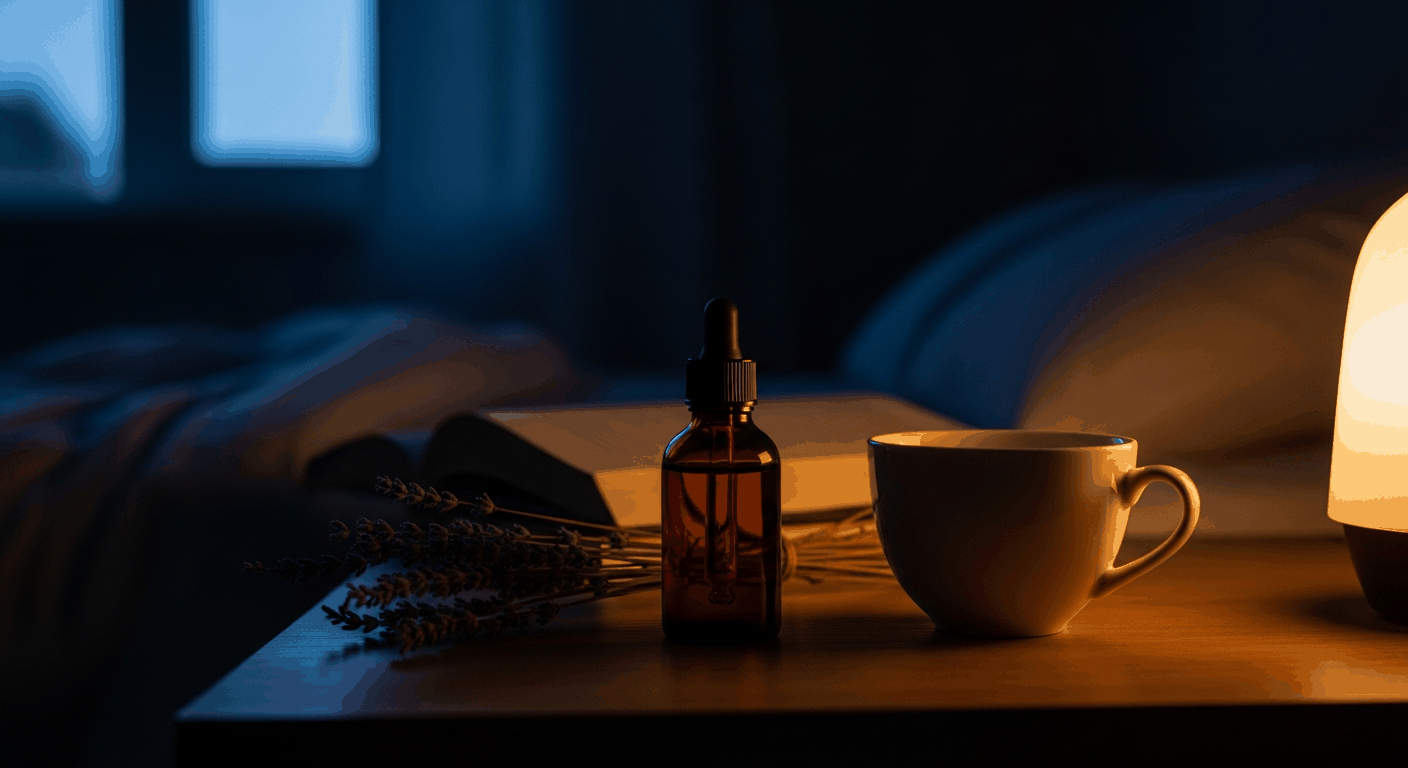
Joshanda, Done Properly: The Winter Cup Most of Us Ruin
Most of us make joshanda badly — sachet into a hard boil, three spoons of sugar, one cup and give up. Here is the classical method, the common mistakes, how to make it bearable for children, and when to stop and see a doctor.
By the second week of December there is a joshanda sachet in almost every kitchen in the country, usually behind the tea. Somebody tips it into water already at a rolling boil, lets it thrash about for fifteen minutes, adds three spoons of sugar to make it drinkable, pulls a face, and declares that joshanda does nothing. It is not that joshanda does nothing. It is that we cook it to death and then judge it.
What actually goes into a classical joshanda
The word comes from josh — to bring to the boil — and that name has quietly misled two generations of households. In the old dispensaries a joshanda meant a decoction: water brought up to heat with the herbs, then dropped to the barest simmer and finally left covered off the flame to draw. The hard parts give up their goodness to heat; the flowers and aromatic seeds give theirs up to gentle steeping, and lose it entirely to a hard, uncovered boil.
Recipes differ from one hakeem to the next, and every family has its own tilt, but a classical winter joshanda is built from the same handful of components. Flowers for the throat, dried fruits for a hard cough, mucilaginous seeds for dryness, a root for sweetness, and something warming to lift the whole thing.
| Component | Traditionally used for | Typical form |
|---|---|---|
| Banafsha (sweet violet) | A dry, tickly, cold-weather throat | Dried flowers — added late |
| Gaozaban (borage) | Comfort in the chest during cold spells | Dried leaf or flower — added late |
| Unnab (jujube) | Softening a hard, unproductive cough | Dried fruit — simmered from the start |
| Sapistan (lasoora) | The classical partner to unnab | Dried fruit — simmered from the start |
| Tukhm-e-khatmi (marshmallow seed) | Slippery, coating relief for dryness | Seed — simmered gently |
| Behidana (quince seed) | The same mucilaginous softening effect | Seed — a small pinch is plenty |
| Mulethi (liquorice root) | Throat comfort; natural sweetness | Stick or coarse powder — simmered |
| Adrak and dar cheeni (ginger, cinnamon) | Warming the cup and making it drinkable | Fresh ginger, a small piece of bark |
If you would rather not assemble that from a pansaar shop every winter, a pre-blended powder is a perfectly honest shortcut — the safoof range covers the standard combinations, and the method below is the same whether you measured the herbs yourself or opened a sachet.
The method, properly
Nothing here is difficult. It takes about twenty minutes, most of it unattended, and the difference between this and the usual approach is the difference between a drink people finish and a punishment they avoid.
- Measure three cups of water — roughly 750 ml — into a small pan with a lid. One heaped tablespoon of mixed herbs, or one sachet, is enough for two servings.
- Add the hard, woody things first: unnab, sapistan, mulethi, dar cheeni, and the seeds. Bring the water up to a boil, then immediately turn the flame to its lowest setting.
- Simmer, covered, for ten to twelve minutes. It should barely move. If the lid is rattling and steam is escaping the room, the aromatic part of your joshanda is on the ceiling, not in the pan.
- Add the delicate flowers — banafsha, gaozaban — and the grated ginger in the last three minutes, or after you have taken the pan off the heat entirely.
- Take it off the flame, keep it covered, and leave it to stand for ten minutes. This resting stage is the one everybody skips and the one that matters most.
- Strain into cups. Let it come down to comfortably warm — warm enough to sip, not hot enough to make you wince — and only then stir in honey, if you want it.
- Drink it sitting down, indoors, after the evening meal, and stay warm afterwards. Walking out into a cold courtyard immediately afterwards undoes half the point of it.
Joshanda ko ubaala nahin jata, dam diya jata hai — you do not boil a joshanda, you let it rest. Every old hakeem says some version of this, and every kitchen ignores it.
Where it goes wrong
Almost every complaint about joshanda traces back to one of the same few habits. None of them are anybody’s fault — this is just how the sachet gets used when nobody has been shown otherwise.
- The rolling boil. Twenty minutes of hard boiling drives off the volatile aromatics and leaves the bitter tannins behind. That is where the taste everybody hates comes from.
- The uncovered pan. If you can smell it strongly from the next room, it is leaving. Keep the lid on from the moment it reaches heat.
- Sugar by the spoonful. Two or three spoons of sugar makes it cloying rather than pleasant, and in the traditional reading sugar is precisely the wrong thing for a chest that already feels heavy. A little honey, or the natural sweetness of mulethi, is enough.
- Honey into boiling liquid. Pointless, and traditionally discouraged. Let the cup cool to drinkable first.
- One cup, then giving up. A single cup on the worst night of a cold spell was never the idea. One cup a night through a cold week is.
- Making it stronger instead of more regular. Doubling the herbs makes it undrinkable, not more effective.
- Keeping the leftovers for days. A strained decoction is a day’s drink. Make it fresh; it takes twenty minutes.
- Using it to delay a doctor. This is the only mistake on the list that actually costs something. See the last section.
Making it bearable for children
Children are honest critics, and a bitter brown cup will be refused once and remembered forever. The trick is to make the first experience mild rather than to negotiate afterwards.
- Make it half strength for a child, and serve a quarter of a cup rather than a full one. Small and finished beats large and abandoned.
- Sweeten with a spoonful of a fruit sharbat rather than plain sugar — the flavour gives them something to hold on to.
- Honey only after the first birthday. Under twelve months, no honey at all, in joshanda or anything else. There are no exceptions to this one.
- Serve it warm, never hot, and never force it. A refused cup is not worth the tears.
- For infants under a year, do not give joshanda at all without your paediatrician’s specific say-so.
- If a child is running a fever, vomiting, refusing feeds, or breathing quickly, put the pan down and ring the doctor.
On the evenings when nobody has the energy for any of this, a measured dose from the herbal syrups and tonics shelf is a reasonable substitute, and considerably better than skipping it and going to bed with a dry throat.
When a cough is not a joshanda cough
Joshanda is a comfort measure for the ordinary scratchy chest of cold, dusty weather. It is not a treatment for an infection, and it should never be the reason somebody puts off being examined. Stop making decoctions and see a doctor if any of the following apply.
- A cough lasting more than two weeks, or one that is getting worse rather than better.
- Persistent cough together with weight loss, evening fever or night sweats — a pattern that must always be properly checked in this part of the world.
- Fever above 39°C, or any fever running past three days.
- Breathlessness, wheezing, fast or laboured breathing, or chest pain.
- Blood in the sputum, at any quantity.
- Any cough in an infant under one year, or in someone frail or elderly.
- Asthma, COPD, heart disease or pregnancy — ask before adding anything, including liquorice.
- High blood pressure or kidney problems: mulethi is the ingredient to raise with your doctor before regular use.
What to actually do tonight
Get the pan out and try it once the right way. Three cups of water, one heaped spoon of herbs, hard things first, lid on, lowest flame for ten minutes, flowers in at the end, off the heat and rested for ten more. Strain, let it cool to sippable, half a teaspoon of honey. Drink it after dinner, warm, and go to bed early.
Then do it again tomorrow, and the night after. That is the whole discipline. A properly made cup every evening through a cold week is a genuinely pleasant winter habit — and if the cough is still with you a fortnight later, the kitchen has done its part and it is time to let a doctor do theirs.

Ask us something
Questions about dosage, ingredients or which product suits you are welcome — a member of our team reads every message. We cannot diagnose or treat conditions here; for that, please speak to your physician or hakeem.